


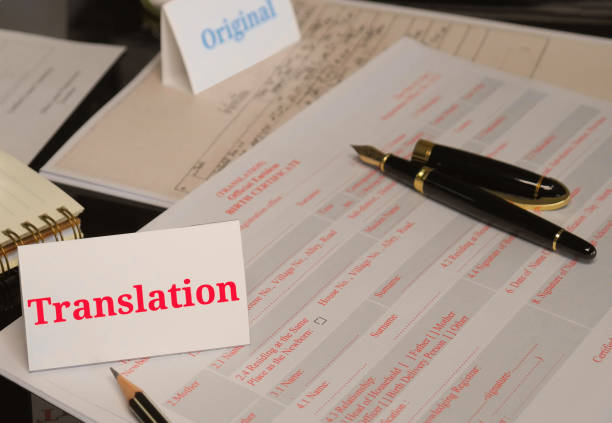
Introduction: Why Academic Document Translation Is Critical in Egypt
Academic documents are central to education, employment, and immigration processes. However, in Egypt, even the most prestigious foreign academic certificate or transcript has no official value unless it is translated into Arabic correctly and in compliance with Egyptian requirements.
Many applicants assume that legalization alone is sufficient. In reality, certified Arabic translation is a separate and mandatory requirement for most academic documents used in Egypt. Incorrect translation—no matter how minor—can delay work permits, school enrollment, academic equivalency, or residency applications.
This article explains:
- What academic document translation means in Egypt
- Which academic documents must be translated
- When certified Arabic translation is mandatory
- Common translation mistakes that cause rejection
- How Expats Link ensures first-time acceptance
What Are Academic Documents in the Egyptian Context?
Academic documents include any official records that prove educational background or academic progression, such as:
- Degree certificates
- Diplomas and technical qualifications
- University transcripts
- School certificates
- Academic letters or confirmations
- Training or professional certificates used for employment
When these documents are issued outside Egypt and not originally in Arabic, certified Arabic translation is required for official use.
When Is Academic Document Translation Required in Egypt?
Certified Arabic translation is required whenever foreign academic documents are submitted to:
- Immigration or residency authorities
- Work permit offices
- Employers or HR departments
- Educational institutions
- Regulatory or government bodies
Common scenarios include:
- Applying for or renewing a work permit
- Registering academic qualifications with an employer
- Enrolling children in schools
- Academic equivalency or classification
- Family or dependent residency applications
Untranslated or improperly translated documents are typically rejected without review.
Why Egypt Requires Certified Arabic Translations
Arabic is the official language of all Egyptian authorities. Certified translations ensure that:
- Officials can rely on the content legally
- Academic levels and titles are clearly understood
- Documents are interpreted consistently across departments
- Errors or misrepresentation are avoided
Because academic documents influence employment, education, and legal status, Egyptian authorities apply strict scrutiny to translations.
Certified Translation vs Regular Translation
This distinction is critical:
Regular Translation
- Informal or personal use
- No legal validity
- Often rejected by authorities
Certified Arabic Translation
- Prepared by an authorized or recognized translator
- Signed and stamped
- Confirms accuracy and completeness
- Accepted by Egyptian authorities
Only certified Arabic translations are accepted for official academic use in Egypt.
Academic Translation and Legalization: How They Work Together
Many applicants confuse these steps. In reality:
- Legalization authenticates the original document
- Certified translation makes the document usable in Arabic
In most cases, the correct order is:
- Legalize the original academic document
- Translate the legalized document into Arabic
Translating before legalization often leads to rework and additional cost.
Step-by-Step: Academic Document Translation Process for Egypt
Step 1: Confirm Which Academic Documents Require Translation
Not all academic documents may be required. Authorities may ask for:
- Degree certificate only
- Diploma instead of transcript
- Both degree and transcript
Translating unnecessary documents increases cost without benefit.
Step 2: Ensure the Document Is Final and Complete
Before translation:
- Confirm that the document is final (not provisional)
- Ensure all pages, stamps, and annotations are included
- Verify name spelling consistency with passport
Translators must translate exactly what appears on the document, including seals and remarks.
Step 3: Legalize the Original Document (If Required)
In most official cases, Egyptian authorities expect:
- Embassy legalization
- Final attestation by the Egyptian Ministry of Foreign Affairs
Translation should reflect the legalized version, not the original unsigned copy.
Step 4: Certified Arabic Translation
The translation must:
- Match the legalized document word for word
- Use correct academic and legal terminology
- Accurately translate degree titles and institutions
- Preserve formatting where relevant
- Include translation of stamps and seals
Any omission—even of a stamp—can lead to rejection.
Step 5: Review for Consistency Across Files
Authorities often compare translated academic documents with:
- Passport names
- CVs
- Work contracts
- Other educational records
Even small inconsistencies in spelling or degree titles can delay processing.
Common Academic Translation Mistakes That Cause Rejection
Incorrect Degree or Diploma Titles
Academic titles translated too literally or inaccurately are often questioned.
Inconsistent Name Transliteration
Different Arabic spellings of the same name cause file suspension.
Missing Stamps or Notes
Authorities expect everything visible on the document to be translated.
Using Non-Certified Translators
Unsigned or unstamped translations are not accepted.
Translating Before Legalization
This often requires the translation to be redone.
Academic Translation for Work Permits
For work permits, translations are closely reviewed to confirm:
- Qualification level
- Field of study relevance
- Compatibility with job title
For example:
- A “Bachelor of Science” must be translated in a way that reflects the correct academic level
- Technical diplomas must clearly indicate specialization
Incorrect translation can affect job classification or permit approval.
Academic Translation for Schools and Families
For families relocating to Egypt, academic translations are often needed for:
- School admissions
- Grade placement
- Dependent residency files
Authorities and schools rely on translations to:
- Determine academic level
- Compare international curricula
- Maintain official student records
Errors may result in:
- Delayed enrollment
- Incorrect grade placement
A Real-World Scenario in Cairo
A foreign professional submitted a legalized degree certificate with an uncertified translation. Although the document itself was valid, the translation was rejected.
The result:
- Work permit file suspended
- Certified translation requested
- Several weeks of delay
Translation quality matters as much as legalization.
Why Academic Translation Is High-Risk
Academic translations influence:
- Employment eligibility
- Immigration approval
- Educational continuity
Errors can cause:
- Rejection of complete files
- Re-submission costs
- Missed employment or school deadlines
Because academic documents underpin long-term status, precision is essential.
How Expats Link Handles Academic Document Translation
At Expats Link, academic translation is handled as a legal and procedural service, not just a linguistic task.
We Support Clients By:
- Confirming which academic documents require translation
- Reviewing documents before translation begins
- Coordinating legalization and translation timelines
- Ensuring certified Arabic translation accuracy
- Aligning translations with immigration, employment, or education files
Our focus is first-time acceptance, minimizing risk and delay.
Practical Tip: Translate Only After Legalization
Whenever possible, complete legalization first. Translating a non-final document often leads to duplication and unnecessary cost.
Conclusion: Academic Document Translation Is Essential for Official Recognition in Egypt
In Egypt, academic documents must be both legally authenticated and correctly translated into Arabic to be recognized. Even minor translation errors can block work permits, school enrollment, or residency applications.
With Expats Link, individuals and families gain a trusted partner who ensures academic document translation is accurate, certified, and fully compliant with Egyptian requirements.
Contact Expats Link Today
If you need certified academic document translation for use in Egypt—or support with legalization, work permits, or education documentation—contact Expats Link for a confidential consultation. We ensure your documents are accepted without delay.